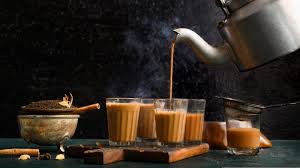
Irani chai is a unique cultural and culinary hybrid that originated from Persian immigrants who settled in Indian cities like Mumbai and Hyderabad during the late 19th and early 20th centuries.
Unique Preparation Techniques
Unlike traditional Indian masala chai, where all ingredients are boiled together, Irani chai is made using a “dual-pot” method:
- The Dum Process: A potent tea decoction is prepared by boiling water and tea dust for 30–45 minutes in a vessel sealed with dough (dum) to trap steam and concentrate the flavors.
- Separate Milk Reduction: In a separate container, full-fat milk is reduced for hours until it reaches a thick, creamy consistency.
- Final Assembly: The two components are mixed only at the moment of serving, typically in a ratio of 1/4 decoction to 3/4 thickened milk.
Cultural & Social Uniqueness
- Neutral Gathering Spaces: Historically, Irani cafes were unique for being inclusive spaces where people of all castes and religions could sit together during an era of prevalent social segregation.
- Peculiar Architecture: Traditional cafes are often built on corner plots (once considered inauspicious by locals) and feature iconic checkered floors, marble-topped tables, and large wall mirrors.
- Unique Variations:
- Khade Chammach ki Chai: A variant so laden with sugar that the spoon stands upright in the cup.
- Paani Kam Chai: A version with even less water, making it extremely thick and milky.
- Burkhe Wali Chai: Served with a thick, “veiled” layer of cream on top.