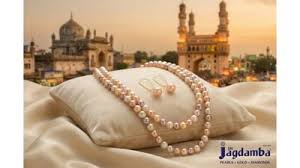
Hyderabad is known as the “City of Pearls” because it is a global trade and processing hub despite its inland location.
The “Pulse” of Pearl Processing
The unique “pulse” of the industry is centered in
Chandanpet, a village just outside the city where nearly the entire population is skilled in the generational art of pearl drilling and processing.
- The Whitening “Pulse”: Raw pearls are boiled for four days to remove dark pigments, then sun-bleached in mirror-based glass boxes for another four to five days using a specialized mixture of hydrogen peroxide, water, and ether.
- Unique Grading: A distinctive quality check used by local artisans involves ultraviolet light; high-quality white pearls reflect a sky-blue color, while inferior ones show a green or mustard sheen.
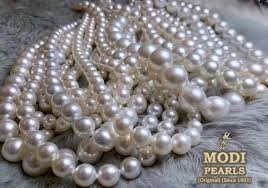
Unique Varieties and Designs
- Rice Pearls: Iconic to Hyderabad, these are small, elongated pearls resembling rice grains, used extensively in traditional jewelry to add intricate texture.
- Basra Pearls: Historically, the city became a haven for merchants of rare Basra pearls from the Persian Gulf after pollution from the oil industry decimated the Gulf’s pearl beds.
- Signature Sets:
- Satlada: A seven-stringed “rani haar” necklace, traditionally containing 465 pearls and often featuring triangular “Samosa” diamond clasps.
- Panchlada: A five-layered pearl necklace representing royal Hyderabadi heritage.